

Savouring Sustainability: How France is Rethinking its Food Future
By Kathleen Pokrud
Photos courtesy of the Embassy of France, Bangkok
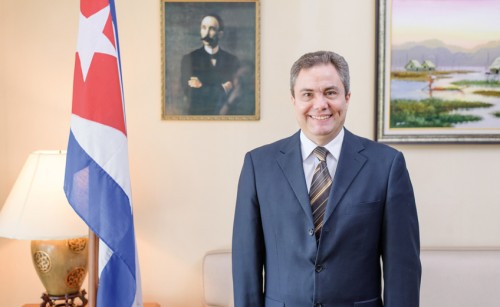
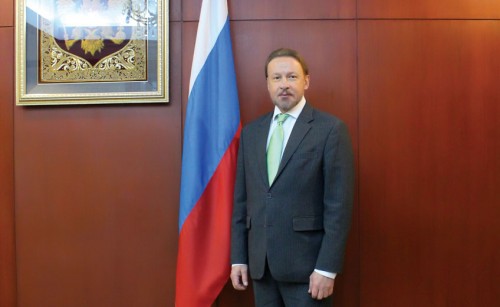
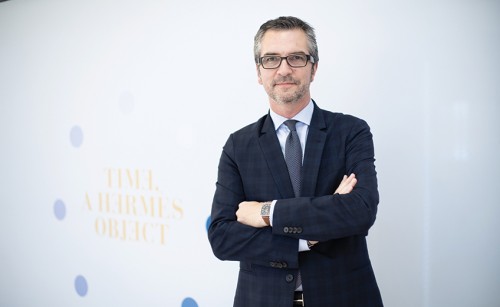
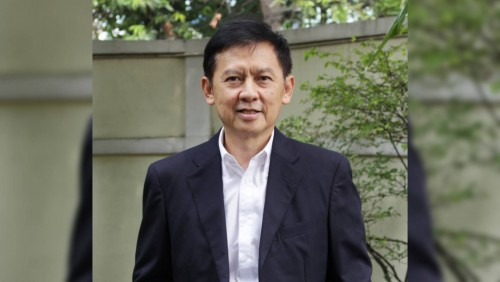
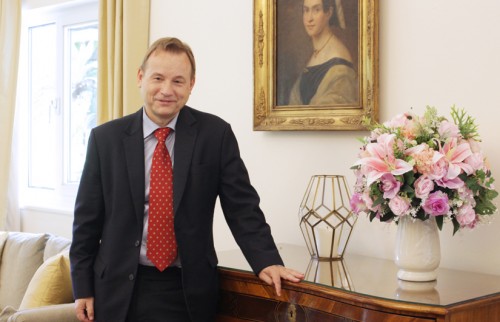
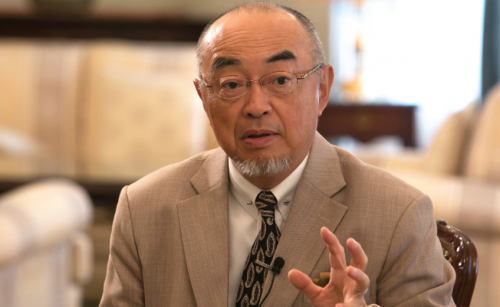
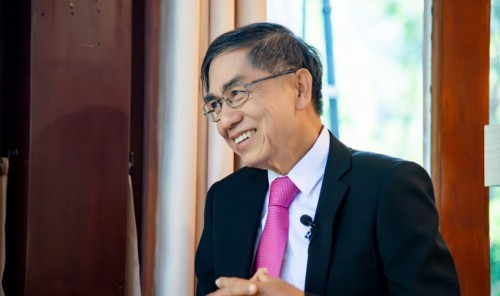
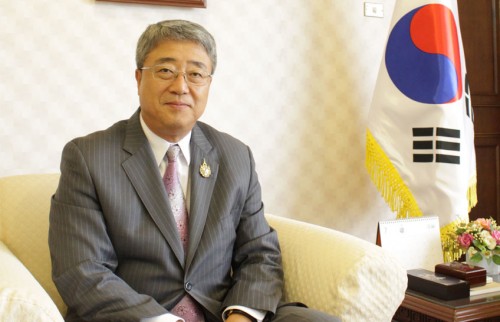
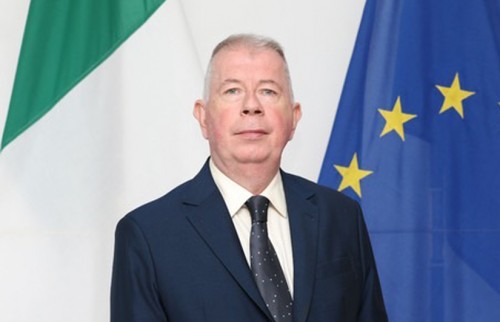
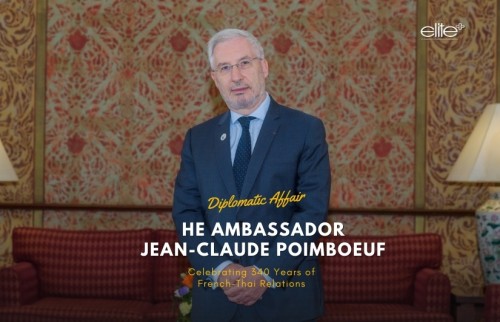
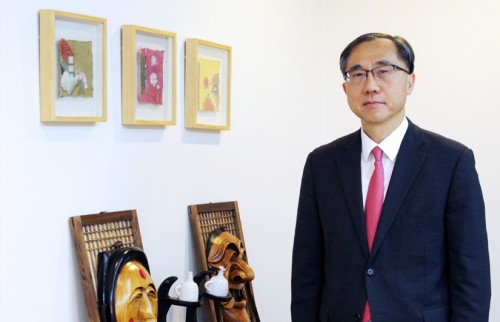
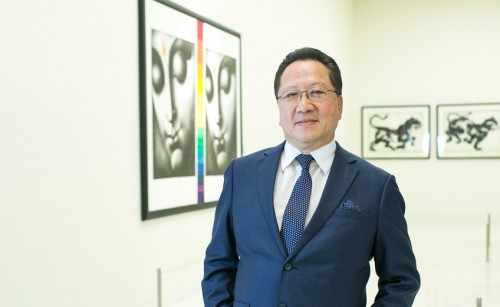
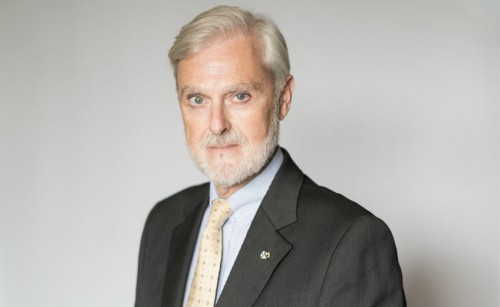
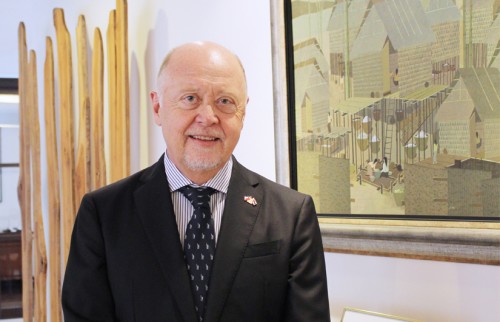
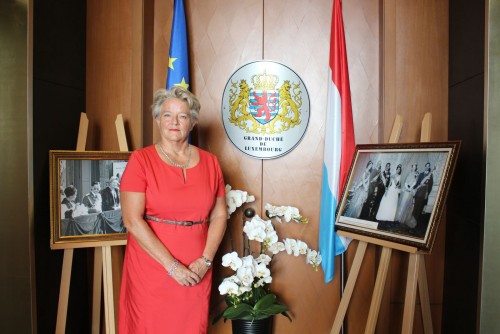
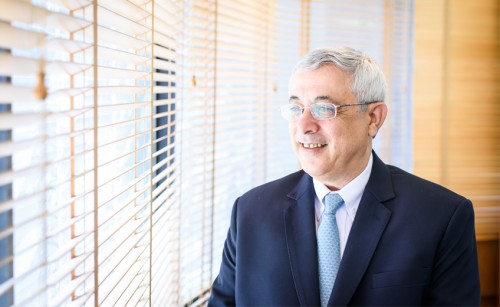
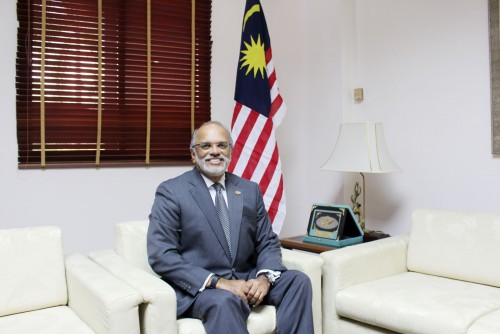
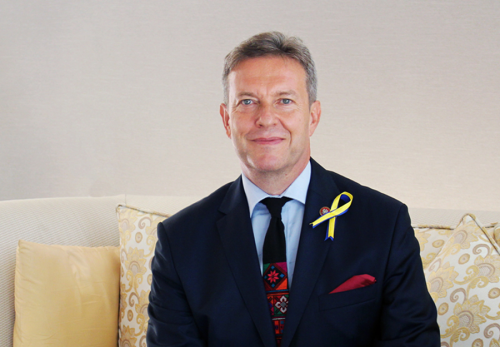
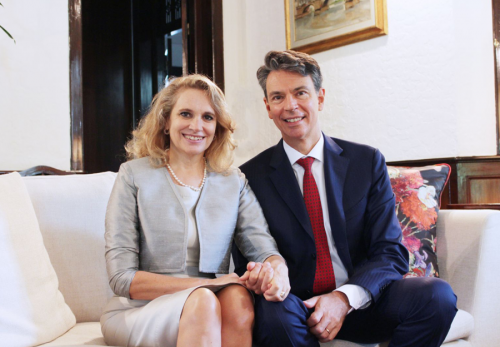
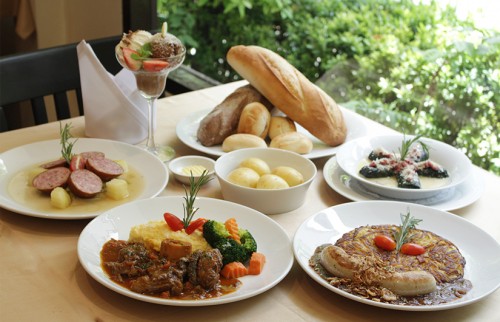
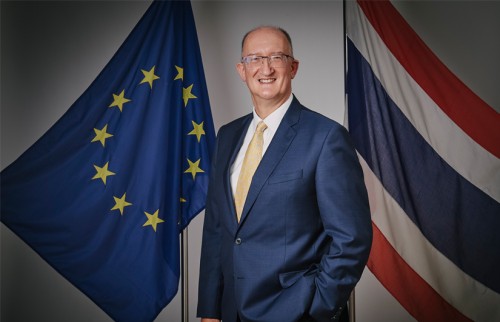
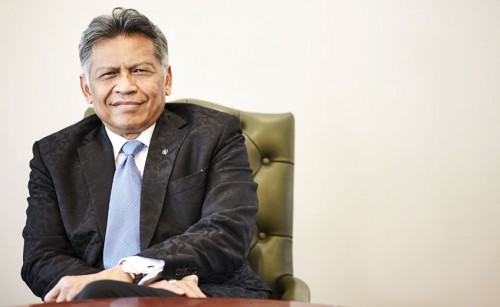
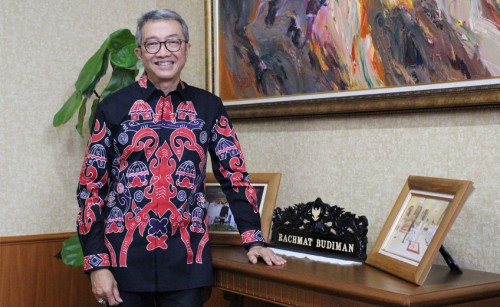
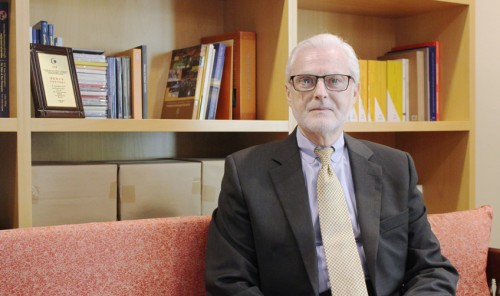
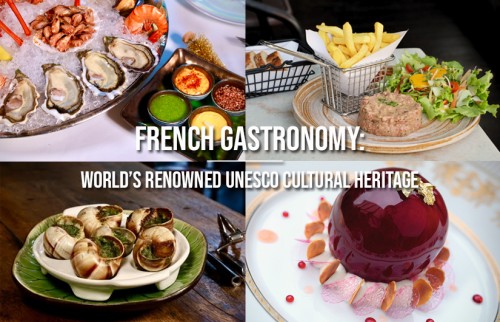
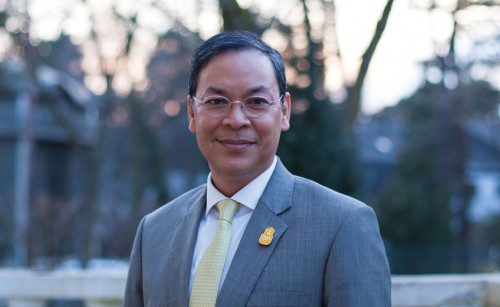
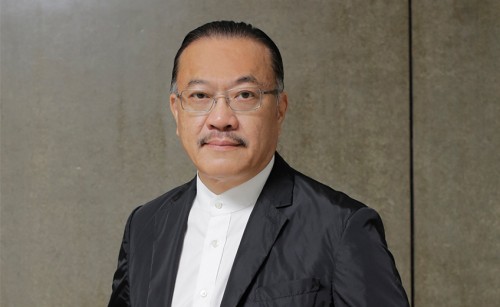
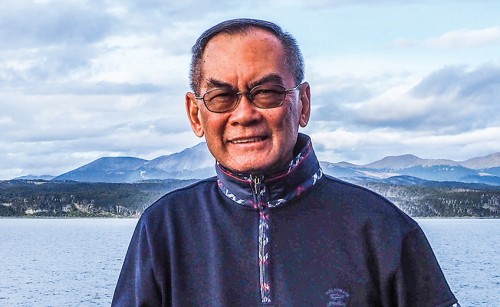
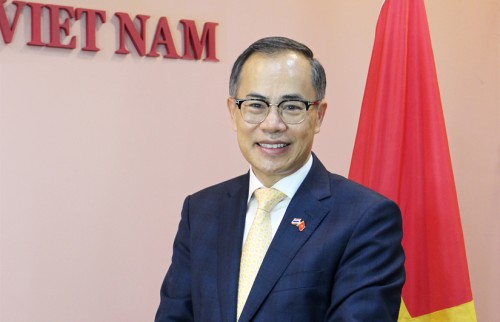
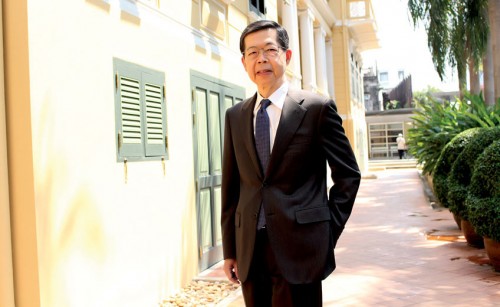
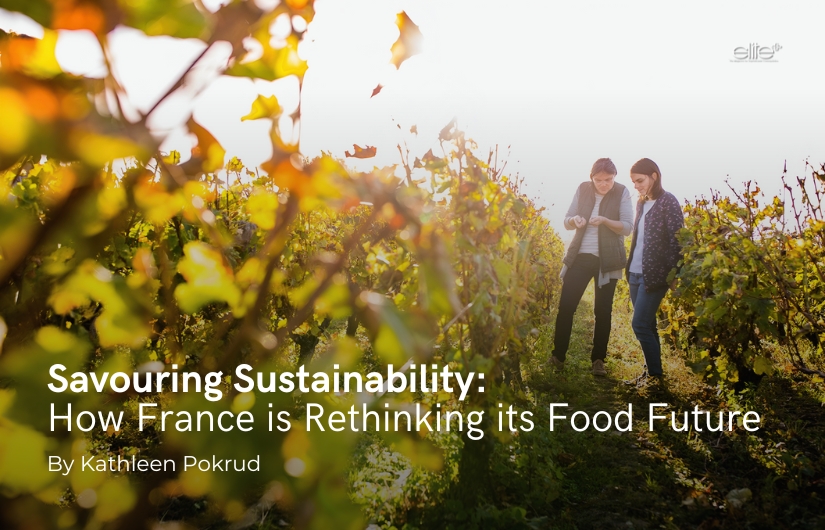
France, known for its rich culinary heritage, is emerging as a global leader in food sustainability. In the "Global Culinary Stories” series, French Gastronomy was highlighted (https://www.eliteplusmagazine.com/Article/958/French_Gastronomy__World_s_Renowned_UNESCO_Cultural_Heritage). More recently, HE Ambassador Jean-Claude Poimboeuf, was kind enough to share the story of how France is rethinking its food future.
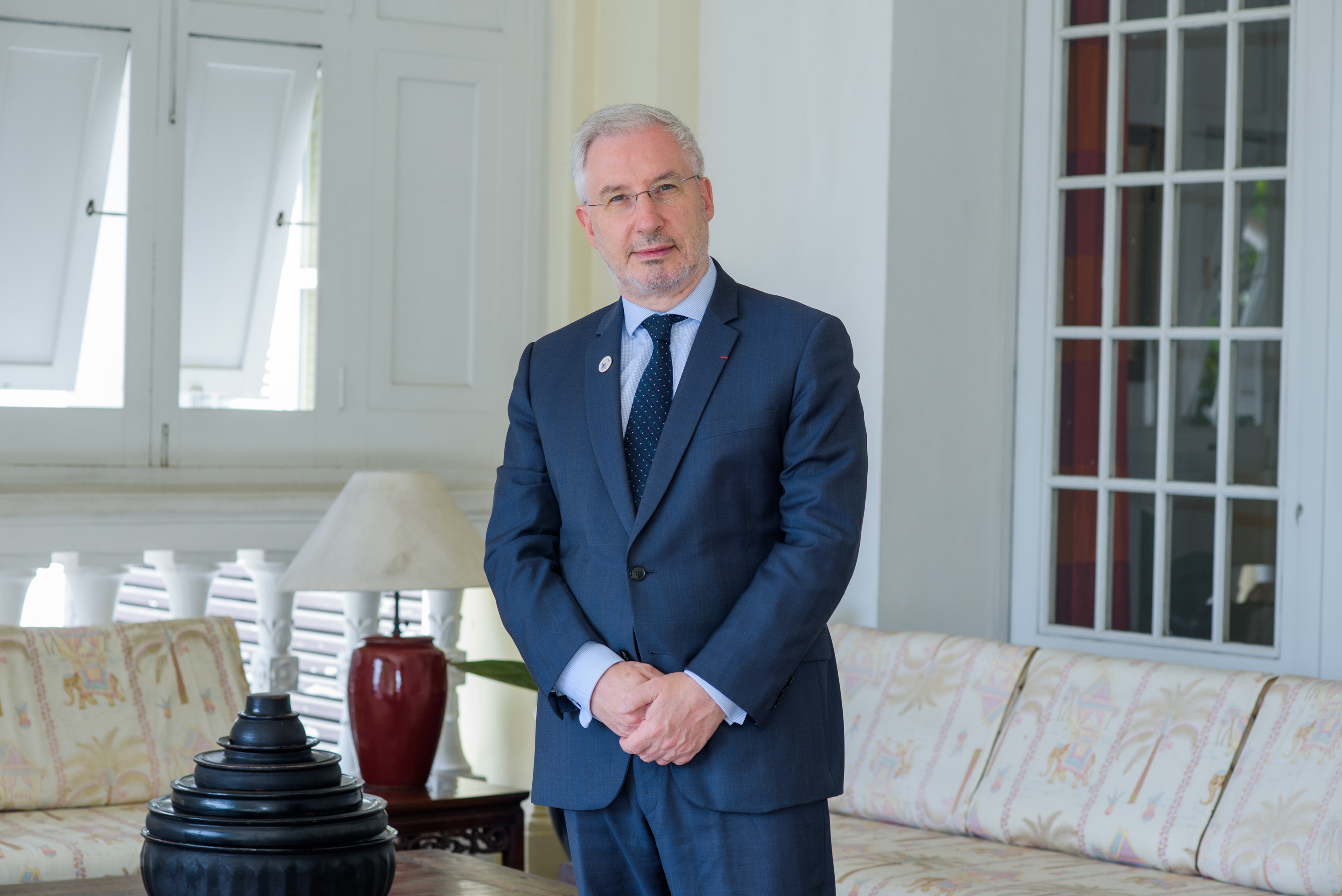
Ambassador Poimboeuf began, “Food security has been a constant preoccupation of France since the Second World War as food shortages remained an issue long after the end of the war. In fact, it has been at the heart of the early stages of the construction of the European Union. The Common Agricultural Policy of the EU dates back to 1962 as, at first, it was meant to ensure that productivity of a variety of key produce could be increased enough to eliminate the risk of food shortages. This policy has yielded strong results, quickly propelling France and the EU to becoming global agricultural powers.
However, the Covid-19 crisis, followed by the war in Ukraine, have led to a collective awareness of the need to reduce vulnerabilities and improve control over the factors that expose our country in terms of sovereignty in many economic areas, including the agricultural and agri-food sector. Since 2020, several specific plans aimed at consolidating the sovereignty of the most exposed agricultural and agri-food sectors have been launched by the French Ministry of Agriculture. In the fruit and vegetable sector, for example, one out of every two fruits and vegetables consumed in France is imported. Thus, our strategy focuses on four key areas: crop protection, competitiveness, investment and innovation; research and experimentation; training and generational renewal and boosting fruit and vegetable consumption.”
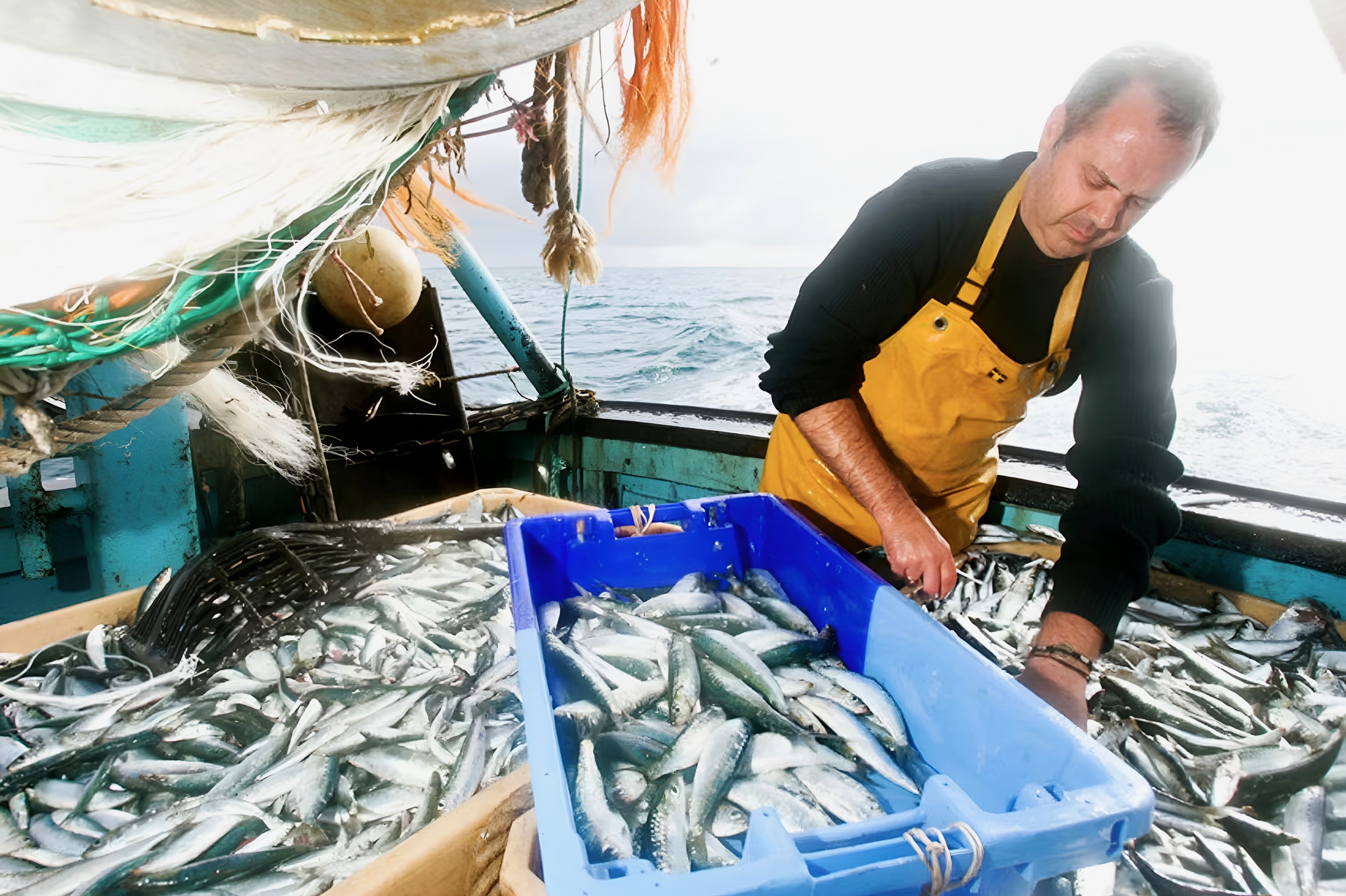
Ambassador Poimboeuf admitted that the agricultural sector is facing a number of challenges as part of the climate transition. “To ensure France’s food sovereignty, we need to adapt to climate change by reducing greenhouse gas (GHG) emissions, making agricultural soils a net carbon sink, producing bio-based energy and materials, preserving biodiversity and managing water resources.
“France is giving priority to the development of agro-ecology and precision agriculture, with an integrated and systemic approach to production systems. The aim is not only to improve the sector's environmental performance, but also to increase value creation and ensure a greater return of value to farmers.”
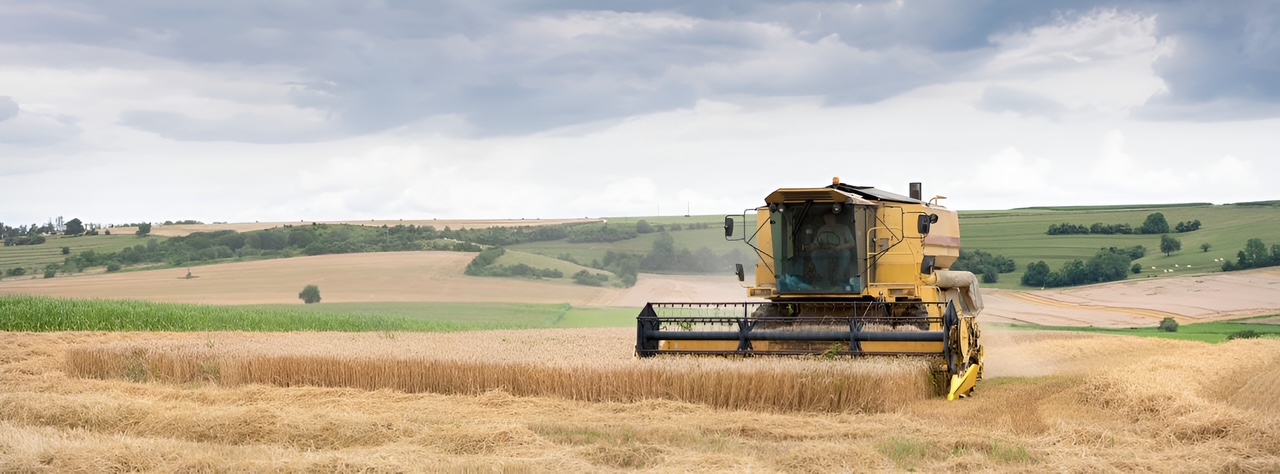
The French government made great efforts to promote food sustainability. The ambassador elaborated, “The strategy for agriculture and food sustainability is part of a larger ecological plan adopted in France in September 2023: ‘the Ecological Planification’. The objectives for agriculture are: restoring and maintaining ecosystems for a productive agriculture, promoting transition and competitiveness for food sovereignty, promoting low input agriculture and ensuring a fair share of value-added along the food chain.
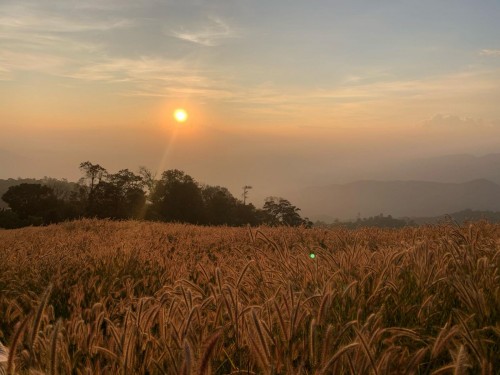
In the crop sector, greenhouse gas reductions can be achieved by diversifying crop rotation through longer rotations and the introduction of legumes, developing organic farming, developing intermediate crops, combining crops, sowing under cover and promoting agroforestry and mixed farming. Efficiency gained in production systems can also be sought, thanks to new technologies and varietal selection. In particular, diversification of nitrogen sources should lead to a 26% reduction in the use of mineral nitrogen fertilisers by 2030 and a 50% reduction by 2050.
-Picsart-AiImageEnhancer_564833126.jpg)
“The livestock sector is also playing its part in the transition to a more sustainable agriculture, thanks to a number of levers: greater protein self-sufficiency, particularly through the use of pasture; optimised herd management practices; better management and recovery of effluents and a move upmarket in production.
“One of the levers of this policy takes its root within the Common Agricultural Policy, which provides support for farmers, agricultural sectors and rural areas while combating climate change. As part of the 2023-2027 programming period, an eco-regime has been introduced. This is a direct payment to farmers who voluntarily commit to implementing climate- and environment-friendly agronomic practices throughout their farms. The aid is designed to support farmers in their transition by adopting agro-ecological practices.”
In terms of grassroot or private sector involvement, Ambassador Poimboeuf proudly shared, “Mobilising stakeholders is obviously essential to the sustainable transformation of our agricultural production systems. ‘Territorial Food Projects’, which bring together local players around the issue of food, are a good example of that as they are implemented to maintain agricultural land, support agro-ecological projects, increase the number of local and organic products in mass catering and support farmers in adopting sustainable practices.
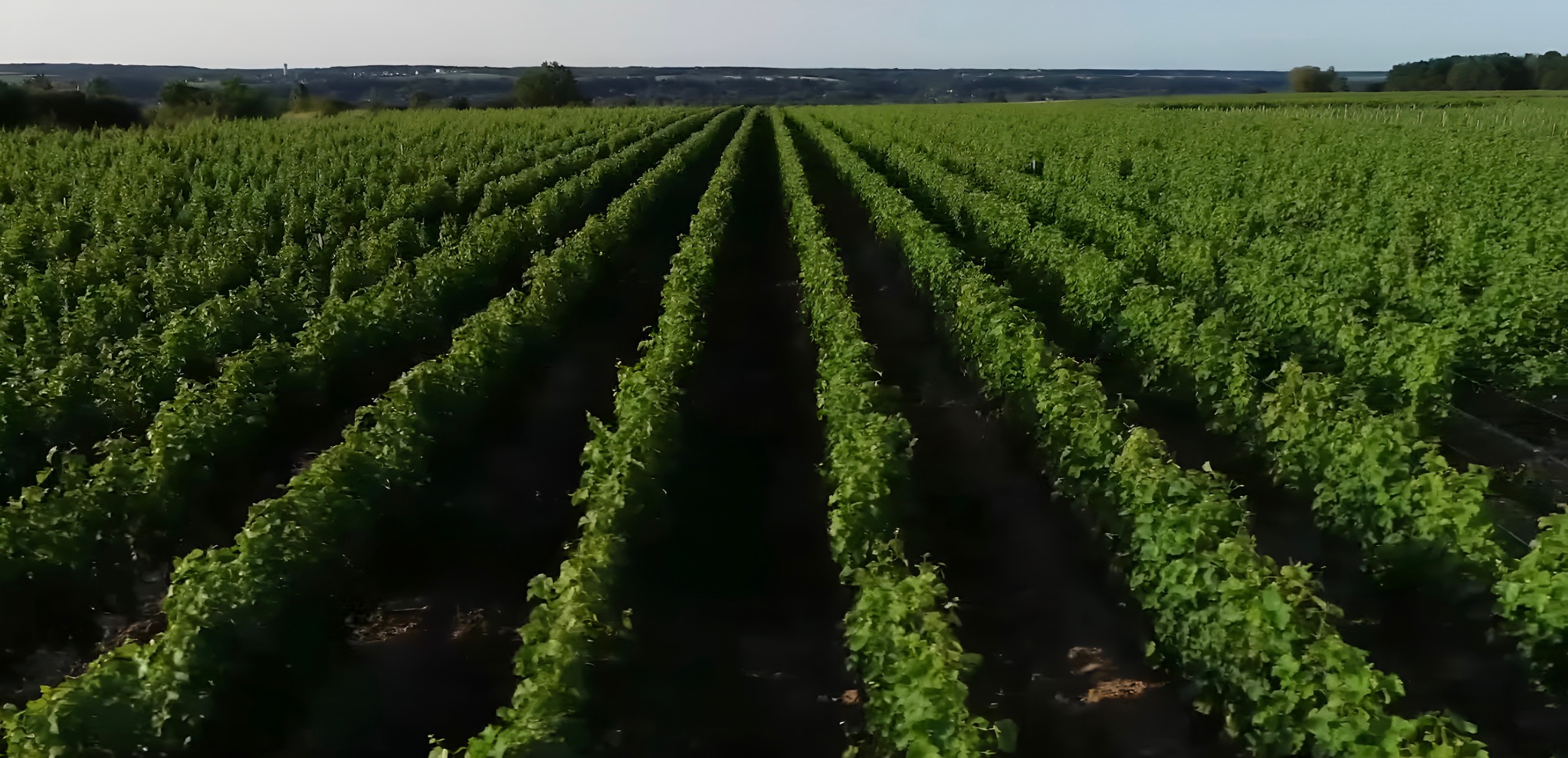
“Interbranch organizations also have a key role to play in leading discussions within each sector on the strategy to be put in place. One example is the work of Terres Univia, the interbranch organisation for vegetable oils and proteins, which has implemented a sector plan aimed at improving France's protein autonomy and reducing its chronic protein deficit.”
There are continuous future initiatives being researched. “Climate change and the pressure on natural and agricultural resources call for appropriate solutions and raise new questions for science. To meet these challenges, players such as INRAE (French National Research Institute for Agriculture, Food and Environment) are mobilising research and expertise on food, agriculture and the environment. INRAE's work, often carried out in partnership with stakeholders, helps us to understand, decipher and anticipate risks, and it provides the keys to adapting to and mitigating global change. In terms of food sustainability, the Institute is working on plant and animal breeding, crop and livestock diversification, epidemic management, stimulating plant and animal immunity, the rational use of digital approaches and technologies, circularity in the use of natural resources and territorial dynamics to promote positive links between towns and rural areas.”
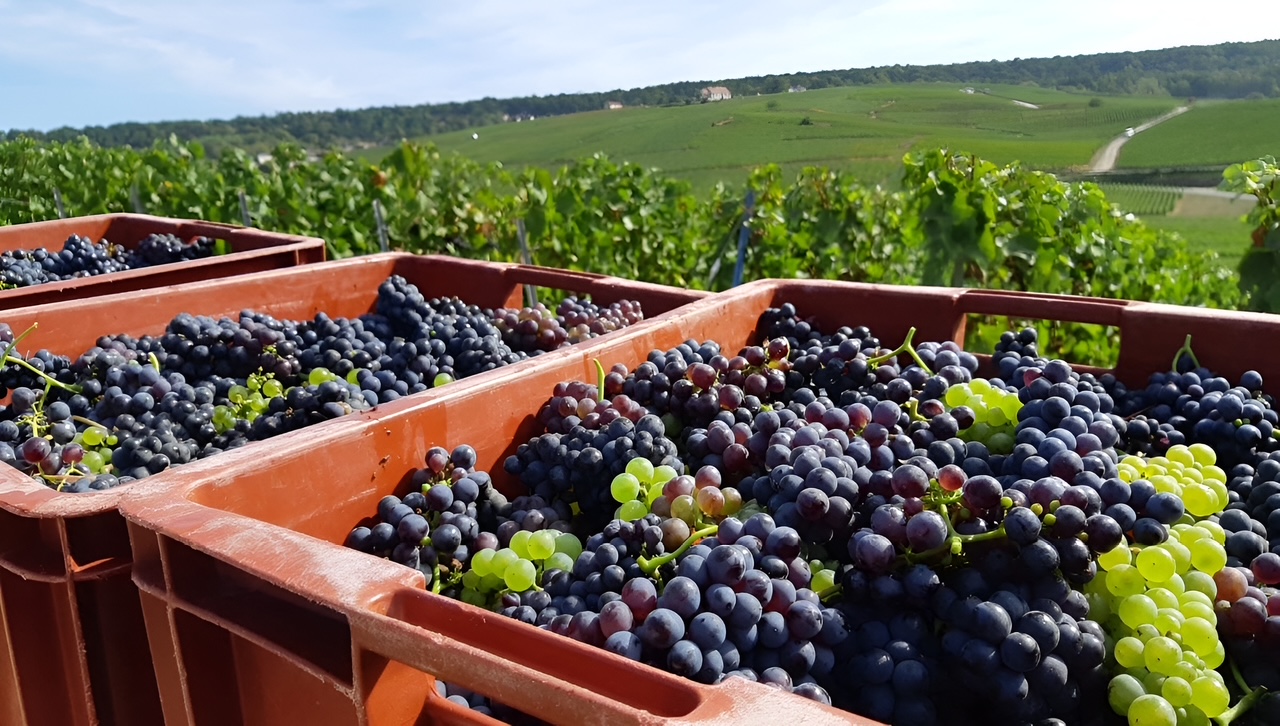
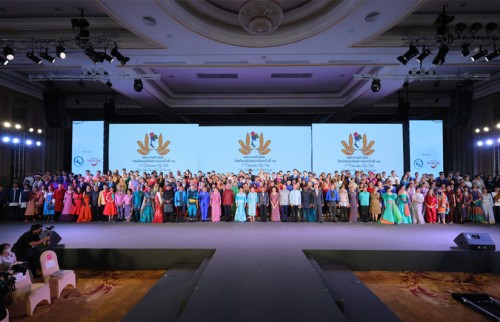
Recently, in March 2025, France organised the ‘Nutrition for Growth’ (N4G) Summit. Ambassador Poimboeuf highlighted, “Nearly 28 billion dollars were pledged to support nutrition to achieve the UN sustainable development goals, demonstrating exceptional mobilisation and a renewed commitment to multilateralism. In an uncertain international context, the Summit made it possible to put nutrition back at the heart of public policy through ambitious commitments to transform the lives of millions of people around the world. By investing in nutrition, stakeholders have chosen to promote policies with a positive impact on health, social protection, gender equality, the sustainability of food systems, the climate and education. Nutrition is a particularly efficient choice, since on average, for every euro invested in this area, 23 euros of wealth are created.”